aaajl | The Rise of Educational Games: Transforming Learning through Gamification
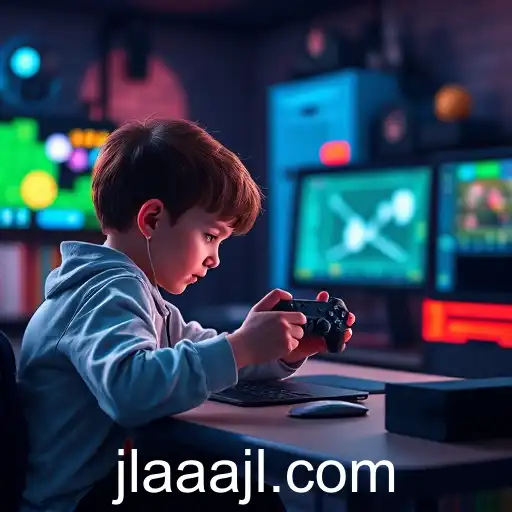
In recent years, educational games have emerged as a significant trend in both the gaming and educational sectors. As technology continues to evolve, the intersection between learning and entertainment has become increasingly pronounced. This has led to the development and popularization of educational games, which use gaming mechanics to engage and educate players, often making learning more accessible and enjoyable.
The term 'educational games' refers to a diverse category of games that are designed with educational purposes in mind. They can range from simple puzzles and quizzes that help enhance problem-solving skills and memory retention, to more complex simulations that teach subjects such as science, mathematics, and history. By integrating elements of play into educational content, these games create an interactive learning experience that is both engaging and effective.
One key aspect of educational games is their ability to facilitate personalized learning. Unlike traditional educational methods, these games can adapt to the individual learning pace and style of each player, providing customized feedback and challenges. This adaptability ensures that learners remain engaged and motivated, which can lead to a deeper understanding and mastery of the subject matter.
The effectiveness of educational games in enhancing learning outcomes has been backed by numerous studies. For instance, research has shown that gamified learning can lead to increased retention rates and improved test scores. With students becoming active participants in their learning journey, rather than passive recipients of information, they are more likely to develop critical thinking skills and a lifelong passion for learning.
Moreover, educational games offer an inclusive platform for learners of all ages and backgrounds. They provide opportunities for learners with different abilities and needs to access education in a way that suits them best. By breaking down complex topics into digestible, interactive modules, educational games also make subjects that are typically perceived as challenging more accessible and approachable.
Despite the numerous benefits, the integration of educational games in curricula does pose certain challenges. There is a need for educational stakeholders, including game developers, educators, and policymakers, to collaborate in creating high-quality educational content that aligns with educational standards and goals. Additionally, there is ongoing debate regarding screen time and its impact on student development, prompting a need for balanced approaches that integrate educational games with traditional teaching methods.
In conclusion, the potential of educational games in transforming the educational landscape is immense. As more institutions recognize their value, we may see a future where gaming is not only a pastime but a fundamental component of education systems worldwide. With continued innovation and collaboration, educational games could redefine the way we learn, making education more engaging, effective, and inclusive.
The Digital Renaissance of Gaming Communities
Exploring the evolution of online gaming communities and the role of pivotal websites in 2025.
The Rise of Online Gaming Communities
Exploring the growth of online gaming communities and the role they play in modern society.
Exploring Online Gaming Dynamics
An in-depth look into the role of online gaming websites, such as aaajl, amidst evolving digital landscapes and community interactions.
Gaming Dynamics and Market Shifts
Exploring the burgeoning dynamics and trends within the online gaming industry influenced by current market shifts.